Vintage Unicorn Font for Playful Branding
I was working on a branding project for a small artisanal bakery when I first stumbled upon the Vintage Unicorn font. It wasn’t part of my usual go-to fonts, but something about its whimsical charm made me pause and test it out. As I opened my design board, I knew this font could be the perfect match for the brand’s personality — playful, inviting, and just a little bit magical.
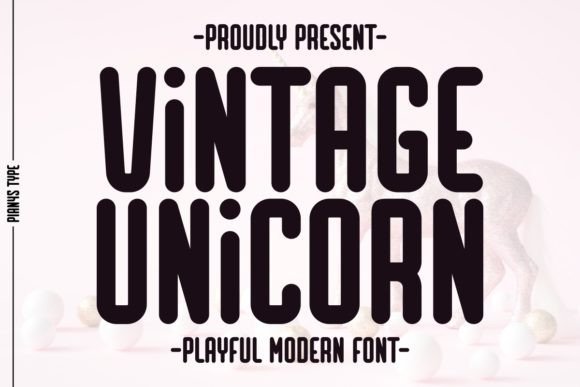
Vintage Unicorn is a modern sans serif font with a distinct feminine flair. Its clean lines are softened by subtle curves and a delightful pink hue that adds warmth without being overwhelming. It feels like a fresh take on classic typography, blending the best of modern minimalism with a touch of fantasy. This font isn’t just cute; it carries an energy that’s both fun and professional, making it ideal for brands that want to stand out while still feeling trustworthy.
First Impressions in Logo Design
I started by testing the font in the logo mockup. The bakery’s name was simple, but I wanted it to feel special. I placed Vintage Unicorn as the main text and immediately noticed how it brought a sense of joy and approachability to the design. The soft pink accents gave the logo a gentle, inviting feel, which aligned perfectly with the bakery’s focus on comfort and community.
The font’s readability was another win. Even though it had a playful edge, it didn’t compromise clarity. It worked well at different sizes, from a large sign outside the shop to a small tagline on packaging. That versatility made me think of all the other places this font could shine in the brand identity.
Branding Beyond the Logo
As I moved through the project, I began applying Vintage Unicorn to other elements of the brand system. On packaging mockups, it added a charming touch to product labels, especially on items like pastries and specialty drinks. For social media graphics, I used it in headlines and callouts, and it helped draw attention without feeling too flashy.
I also experimented with using the font in digital assets like website headers and email templates. In each case, it maintained a consistent tone — light, friendly, and visually engaging. It felt like the right choice for a brand that wanted to connect with younger audiences or those who appreciated a more creative, boutique-style experience.
Font Pairing and Visual Harmony
To ensure balance, I paired Vintage Unicorn with a complementary serif font for body text. The contrast between the two styles created a nice visual rhythm, allowing the playful sans serif to stand out as the primary brand voice while keeping the rest of the content readable and professional.
One thing I noticed was that the font’s pink hues worked best when used sparingly. A few strategic touches in logos or illustrations were enough to reinforce the brand’s personality without overpowering the overall design. This made it easy to use across various materials, from printed flyers to online banners.
Real-World Applications and Observations
I tested Vintage Unicorn on a few real-world scenarios to see how it would perform. On a shop sign, it looked great as the main heading, drawing attention with its soft curves and color. On business cards, it added a personal touch that made the brand feel more relatable. Even on a label sticker for a new pastry line, it felt just right — not too bold, not too subtle.
When it came to digital applications, the font performed well on screen, maintaining its legibility and charm even at smaller sizes. I used it in the hero section of the bakery’s website and found that it helped create a warm, welcoming atmosphere that matched the brand’s mission.
Practical Tips for Using Vintage Unicorn
If you’re considering Vintage Unicorn for your next project, here are a few things to keep in mind:
- Test before committing: Try the font in different contexts — from logos to body text — to see how it performs across your brand materials.
- Use it as a display font: While it’s readable, Vintage Unicorn works best as a headline or accent font rather than for long-form text.
- Pair wisely: Combine it with a serif or modern sans serif font to maintain visual harmony and balance.
- Check licensing: Ensure you have the proper commercial license if you're using it for client work or branded assets.
Overall, Vintage Unicorn has become a go-to choice for projects that need a touch of whimsy without sacrificing professionalism. Whether it's for a boutique, café, or creative studio, this font brings a unique energy that can elevate any design. If you're looking for a typeface that feels both modern and magical, give it a try — your brand might just find its perfect voice.