My Cat: A Whimsical Typeface for Editorial Projects
Sitting at my desk, I was tasked with redesigning the header for a new lifestyle blog. The goal was to capture the essence of playfulness and warmth without sacrificing professionalism. As I scrolled through font libraries, something caught my eye—My Cat, a dingbat font that turned out to be more than just a novelty.
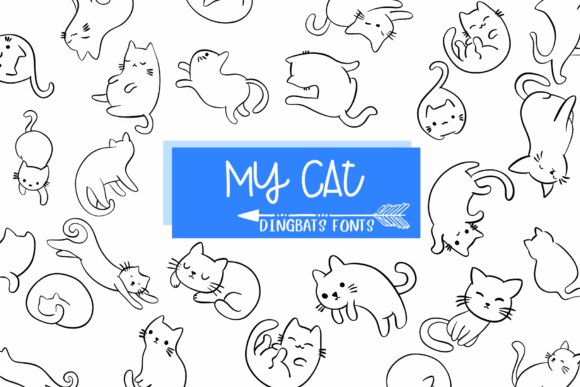
My Cat is a display font where each letter and number is an adorable cat illustration. It’s not just a font; it's a collection of charming characters that bring a sense of joy and whimsy to any project. The playful nature of this typeface immediately made me think of how it could elevate the visual storytelling of a publication.
A Font That Speaks to the Reader
The rhythm of My Cat is gentle and inviting. Each character feels like a small moment of surprise, making it ideal for drawing attention in editorial layouts. I imagined using it on a blog header or as a title for a feature article about pet-friendly travel. Its personality adds a layer of engagement that text alone might not achieve.
When designing for print or digital formats, My Cat can serve as a decorative accent rather than a primary reading font. It works well for pull quotes, section headings, and even chapter openers in an ebook. The key is to use it sparingly so that it enhances rather than distracts from the content.
Real-World Applications
I tested My Cat on a mockup of a recipe ebook cover. The title “Bake With Your Purr-fect Partner” instantly felt more approachable and fun. Pairing it with a clean sans serif font for the body copy created a balanced design that was both readable and visually engaging.
In another test, I used My Cat for a wedding guide titled “Whiskers & Weddings.” The playful illustrations added a unique touch that resonated with the target audience. It wasn’t just a font—it became part of the brand identity, helping to set the tone for the entire publication.
For a coaching workbook, I found that My Cat worked beautifully as a decorative element in worksheets and activity sections. It brought a sense of lightness and encouragement to the content, which aligned perfectly with the workbook’s purpose.
Readability and Practical Considerations
While My Cat is undeniably charming, it’s important to consider its readability. It shines best in short bursts of text, such as headlines, titles, and accents. For longer passages, pairing it with a more traditional serif or sans serif font ensures that the reader remains focused on the content.
When exporting to PDFs or printing materials, I checked the font’s compatibility with various file formats. My Cat offers good support across platforms, making it a reliable choice for digital and print projects alike. It also includes several alternates and ligatures that allow for subtle variations in design.
Before incorporating My Cat into any paid product or client work, I made sure to review the commercial font licensing options. Understanding the terms of use is crucial when working with premium fonts, especially for ebooks, templates, or downloadable content.
Pairing and Design Harmony
Font pairing is an art, and My Cat plays well with others. When used alongside a classic serif font like Garamond or a modern sans serif like Helvetica Neue, it creates a dynamic contrast that guides the reader’s eye through the layout.
For a newsletter header, I paired My Cat with a minimalist sans serif for the subheadings. This combination provided visual interest while maintaining clarity. In a digital magazine, I used My Cat for the cover title and a clean script font for the author name, creating a cohesive yet distinctive look.
It’s also worth noting that My Cat supports multiple languages, which is a bonus for creators targeting international audiences. Whether you're designing for a local community or a global readership, this font adapts well to different contexts.
As I continued testing My Cat across various editorial projects, I found that it consistently brought a sense of warmth and creativity to the designs. It’s not just a font—it’s a tool for storytelling, one that invites readers to engage with content in a more personal and memorable way.